
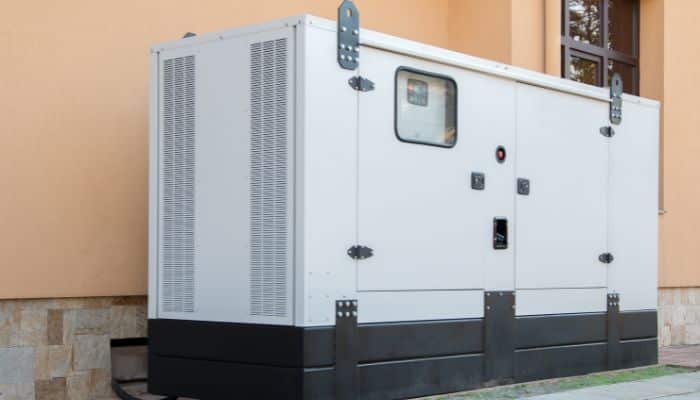
Whole home backup only works well when the system matches your house, your electrical loads, and the way outages actually happen in your area. Many homeowners focus on buying a generator first and think through the details later, which leads to poor performance, wasted money, and avoidable safety risks. The most common whole home generator mistakes are choosing the wrong size, overlooking installation requirements, and ignoring how long backup power must last. Each one can leave key appliances offline when you need them most. If you want dependable emergency power, start with a practical plan for load sizing, switchgear, placement, fuel, and backup flexibility. Avoiding these three mistakes will help you build a safer, more resilient whole home power system overall.
Mistake 1: Choosing the Wrong Generator Size
Calculate Running and Starting Power Needs
The first sizing mistake is looking only at running wattage and ignoring startup surge. Refrigerators, well pumps, sump pumps, and especially central air conditioners can draw much more power for a few seconds when they start. If your generator cannot handle that surge, equipment may fail to start or the system may trip offline. Make a list of every load you expect to power, then note both running watts and starting watts. This step is essential for accurate whole home generator sizing. For example, a system designed for heavy residential loads should account for motor inrush, not just steady demand. Always size for real startup conditions, not the ideal numbers listed in a simplified appliance estimate.
Match Generator Capacity to Essential Home Loads
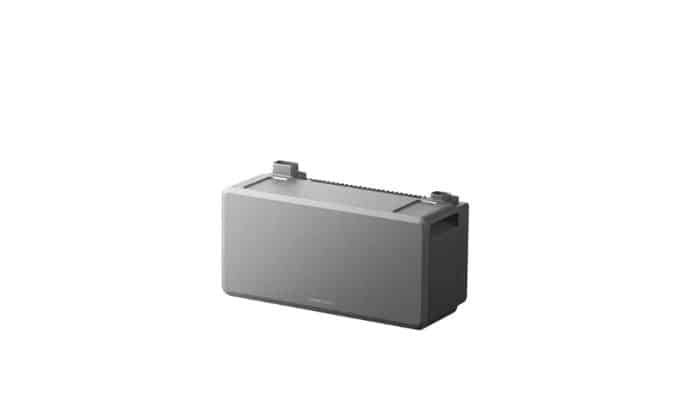
The next mistake is buying for the entire house when you really need coverage for priority circuits, or doing the opposite and undersizing essential loads. Decide whether you want true whole home backup or support for critical equipment only. Then total the simultaneous loads you expect to run during an outage, including HVAC, refrigeration, lighting, internet, medical devices, and water systems. Systems with flexible output can help bridge larger homes and changing needs. For instance, the Anker SOLIX E10 Whole-Home Backup offers 10-30kW turbo output, 6-90kWh battery expandability, and enough surge capability to start a 5-ton central A/C. Matching capacity to real usage prevents overload, nuisance shutdowns, and expensive overspending.
Mistake 2: Overlooking Installation and Safety
Plan the Transfer Switch, Placement, and Fuel Setup
A generator is only as useful as the installation behind it. One common mistake is buying equipment before confirming how it will connect to the home. You need a clear plan for the transfer switch, inlet box, panel integration, and fuel or charging source. Safe backup power requires proper isolation from utility lines, so never rely on improvised connections. Placement matters too. Outdoor equipment needs enough ventilation, weather protection, and service access. In some locations, mounting height also matters. In flood-prone or coastal areas, elevated wall mounting can protect the system better than ground placement. Think through generator fuel delivery, battery charging, solar input, and maintenance access before installation begins, not after.
Check Permits, Clearances, and Professional Installation
Another costly mistake is treating a whole home backup system like a simple appliance install. Local codes often require permits, inspections, approved clearances, and licensed electrical work. Fuel-fired systems may also involve separate requirements for gas lines, exhaust location, and fire safety. Skipping these steps can delay approval, void coverage, or create hazards for your household. Professional installation also helps verify grounding, load balancing, transfer equipment operation, and weather-ready placement. If you are using a battery-based setup, installers should confirm compatibility with the home’s transfer switch and inlet box. A system that is plug and play in design still benefits from trained setup, testing, and code-compliant commissioning before the next outage hits.
Mistake 3: Ignoring Runtime and Backup Flexibility
Plan for Long Outages, Fuel, and Recharging
Short outages and multi-day outages are different planning problems. Many homeowners buy a backup system that can cover a few hours, then discover it falls short during storms, grid failures, or utility repairs that last much longer. Runtime should be part of the purchase decision from the start. Estimate how long you need to support refrigeration, HVAC, communications, lighting, and water equipment, then match that need to available fuel or charging options. Traditional generators depend on stored or piped fuel, which can become a limitation. Battery systems also need a recharging plan. Consider grid charging, solar input, or generator-assisted recharging so backup power remains available after the first discharge cycle ends.
Consider Battery-Based Whole Home Backup Options
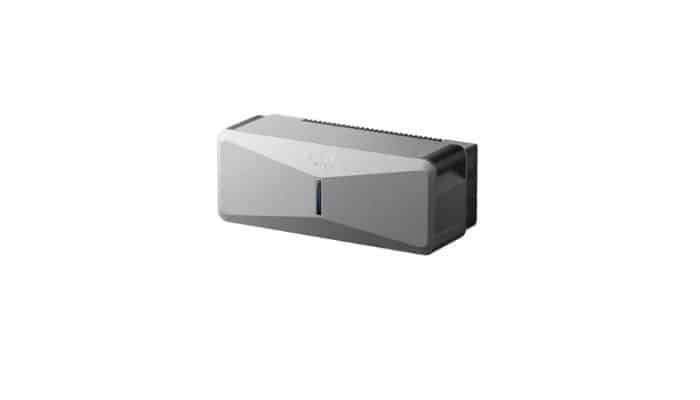
A final mistake is assuming backup power must come from a fuel-only generator. Battery-based whole home backup can add flexibility, quieter operation, and better resilience when paired with solar or a smart generator. The right setup can also switch over fast enough to keep critical loads stable during an outage. For example, the Anker SOLIX E10 supports battery, solar, and smart generator input, offers up to 9-27kW solar input across configurations, and provides ≤20ms seamless switchover. It also works with an existing transfer switch and inlet box, which can simplify integration. If you want backup that scales beyond a single fuel source, battery-based systems deserve serious consideration in your planning process.
Conclusion
Avoiding whole home generator mistakes starts with better planning before you buy. Size the system around real running and starting loads, not rough guesses. Make sure installation includes the right transfer equipment, safe placement, proper permits, and professional setup. Then think beyond the first few hours of an outage by planning for runtime, refueling, and recharging. These steps turn backup power from a basic purchase into a dependable home resilience strategy. Whether you choose a traditional generator, a battery-backed system, or a hybrid approach, the goal is the same: keep essential loads running safely and consistently. When your backup system is sized correctly, installed properly, and built for longer interruptions, your home is far better prepared for the next outage.