
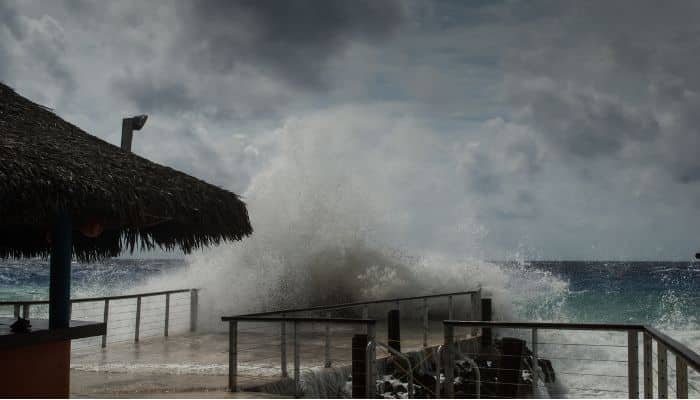
Storm surge means fast-rising coastal flooding caused by a storm pushing seawater inland above the normal tide level. For coastal homes, that can turn streets, crawl spaces, garages, and first floors into flood zones within hours. Surge often causes the most serious damage during hurricanes and strong coastal storms because water is heavy, forceful, and able to travel far beyond the shoreline. Even homes that have survived wind before can suffer major losses from saltwater intrusion, foundation damage, and ruined electrical systems. Understanding what storm surge means helps homeowners read warnings correctly, judge their property’s real exposure, and take practical steps before a storm arrives. Preparation matters because surge damage happens quickly and can make a home unsafe long after floodwater recedes.

What Does Storm Surge Mean and How Does It Form?
Storm Surge vs. Normal Tides and Storm Tide
what was the storm surge? A storm surge is the abnormal rise of seawater above the predicted astronomical tide, driven mainly by a storm’s strong winds and low atmospheric pressure. Unlike normal tides, which are regular daily changes in sea level caused by the moon and sun, storm surge is directly linked to severe weather conditions. Storm tide is different because it combines the storm surge with the normal tide level already occurring at the coast. This difference is important for coastal homes because a moderate surge arriving during high tide can cause more extensive flooding than a larger surge that occurs during low tide. Emergency warnings often describe expected inundation above ground level, showing homeowners how deep floodwater may become at their location rather than simply indicating how high the ocean looks near the shoreline.
Wind, Pressure, Coastline, and Seafloor Effects
Strong onshore winds are the main force behind storm surge because they push ocean water toward land and pile it up along the coast. Low air pressure also contributes by allowing sea level to rise slightly beneath the storm. Local geography can make surge much worse. Bays, inlets, rivers, and narrow coastal channels can funnel water inland, while a gently sloping seafloor lets water spread farther across land than a steep offshore drop-off. The angle of the shoreline and the storm’s speed, size, and path also shape surge height. That is why two nearby communities can face very different flooding. For homeowners, location-specific forecasts matter more than a storm category alone during landfall.
What Can Storm Surge Do to a Coastal Home?
Flooding, Erosion, and Structural Damage
Storm surge can flood a home with surprising speed and force, sending saltwater through doors, vents, garages, and lower-level windows. Once water enters, it can soak insulation, drywall, flooring, cabinets, and stored belongings, often requiring major removal and replacement. Surge also erodes soil around foundations, undermines pilings, damages stairs and decks, and shifts or cracks slabs. Moving water adds impact from waves, floating debris, and boats, which can break walls or supports. Saltwater makes damage worse because it accelerates corrosion and leaves residue that harms materials long after the flood ends. Even if a house still stands, hidden structural weakening can create safety issues and raise repair costs significantly over time.
Power Outages and Damage to Home Utilities
Storm surge often knocks out power directly and also damages the systems a home needs to function safely. Floodwater can reach electrical panels, outlets, wiring, HVAC equipment, water heaters, fuel systems, and appliances, making them unsafe to use until inspected or replaced. Utility meters and outdoor disconnects may also be affected. Saltwater is especially harmful because it corrodes contacts and internal components even after surfaces appear dry. Sewage backups and contaminated water supplies can add health hazards after the storm passes. Backup power planning helps, but equipment placement matters just as much in surge zones. Systems installed too low can fail when needed most, turning a temporary outage into a long, disruptive recovery for household safety.
How Can Coastal Homeowners Prepare for Storm Surge?
Check Flood Risk, Warning Levels, and Evacuation Zones
Coastal homeowners should know their flood zone, base flood elevation, local evacuation zone, and the roads most likely to flood first. Review official surge maps and forecast inundation tools before hurricane season so warnings make sense when time is short. A storm surge watch means life-threatening flooding is possible; a warning means it is expected and action should already be underway. If local officials call for evacuation, leave early rather than waiting to see water rise. Homes can be repaired; trapped residents may not be reachable. Keep insurance documents, photos, medications, chargers, pet supplies, and important papers ready in a go-bag. Preparation starts with understanding exactly how much water your address can realistically face.
Protect Utilities and Plan for Backup Power
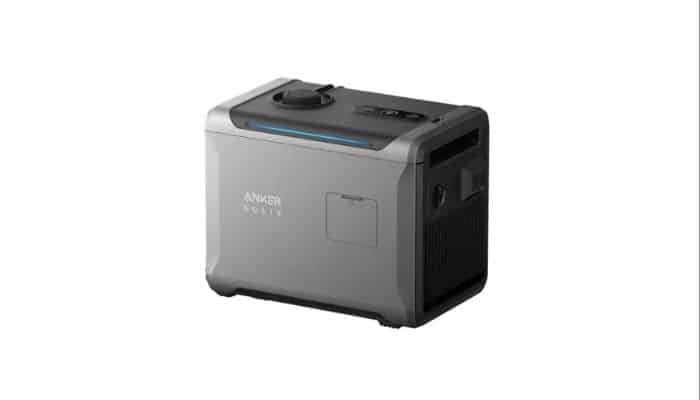
Protecting utilities starts with elevation. In flood-prone coastal areas, backup equipment should be installed high enough to avoid surge exposure when possible. The Anker SOLIX E10 Whole-Home Backup supports wall mounting, which helps keep the system elevated and better protected, and its NEMA Type 4, IP66 enclosure adds weather resistance. It provides 10-30kW turbo output, 6-90kWh battery expandability, 9-27kW solar input, a 4.5kW smart generator option, and up to 20ms seamless switchover for whole-home backup. It can also start a 5-ton central A/C, with 22.8-66kW surge capability. Pair backup power with elevated panels, HVAC components, and clear shutoff procedures so critical systems remain safer and easier to restore.
Conclusion
Storm surge means more than high water at the beach. For coastal homes, it can bring rapid flooding, erosion, structural damage, utility failure, and long recovery periods. The biggest risk comes from how fast surge develops and how deeply it can reach into areas that seem safe during normal weather. Homeowners protect themselves best by learning their local flood exposure, paying close attention to surge watches and warnings, and evacuating promptly when directed. Physical preparation also matters, especially elevating vulnerable equipment and planning reliable backup power. A coastal home is never safer because a previous storm caused little damage. Storm surge risk must be judged storm by storm, forecast by forecast, with practical preparation that reduces danger to both property and the people inside.