The Oromo people are the largest ethnic group in Ethiopia. Yet for over a century, many of them felt shut out — politically, culturally, and economically. That is the core reason the ABO (OLF) — short for Adda Bilisummaa Oromoo / Oromo Liberation Front — was born.
If you want to understand who the OLF is, what they stand for, and what is happening now, you are in the right place. This article covers everything — from the founding story to the latest developments in 2025.
What Does ABO Stand For?
ABO is the Afaan Oromo (Oromo language) acronym for Adda Bilisummaa Oromoo. In English, this translates to the Oromo Liberation Front, often written as OLF.
The two names — ABO and OLF — refer to the same organization. Oromo speakers use ABO. English speakers and international media use OLF.
A Quick Look: Key Facts About ABO / OLF
| Fact | Detail |
|---|---|
| Full Name | Adda Bilisummaa Oromoo (Oromo Liberation Front) |
| Founded | 1973 |
| Headquarters | Washington D.C., USA (in exile) |
| Core Goal | Self-determination for the Oromo people |
| Language | Afaan Oromoo and English |
| Armed Wing | Oromo Liberation Army (OLA / WBO) — split group |
| Current Status | Active political organization |
The History of ABO / OLF: How It All Started?

Born Out of a Century of Struggle
The Oromo people were brought under Ethiopian imperial rule in the late 1800s. Under Emperor Menelik II, Oromia was conquered by force. For decades after that, the Oromo faced:
- Land loss to settlers and the state
- Bans on their language in schools and courts
- Exclusion from political power
- Cultural suppression
This went on for almost 100 years. By the early 1970s, a group of Oromo students and intellectuals decided enough was enough.
Founded in 1973
The OLF was formally set up in 1973. It grew out of debates and activism at Haile Selassie I University (now Addis Ababa University). Young Oromo leaders wanted a unified body to fight for their people’s rights.
Their founding goal was clear: end the colonial-style rule over Oromia and win the right of the Oromo people to decide their own future.
Fighting the Derg (1974–1991)
When the military junta known as the Derg took power in Ethiopia in 1974, the OLF launched an armed struggle. For 17 years, the OLF fought this regime. They built a grassroots base across Oromia, especially in rural areas.
By 1991, the Derg was collapsing. The OLF joined a coalition with other groups and briefly took part in a Transitional Government of Ethiopia. For a short time, it seemed like the Oromo would finally gain real representation.
The 1992 Crisis and Going into Exile
That hope was short-lived. In 1992, elections were held — but the OLF said the process was not fair. It pulled out and returned to armed opposition. The group was then banned and its leaders had to flee. Much of the leadership went into exile, with a base set up in Washington D.C.
This marked the start of a long period of operating from outside Ethiopia.
What Does the OLF Actually Want?
This is the big question. Let’s break it down simply.
Core Political Goal: Self-Determination
The OLF says the Oromo people have the right to self-determination. This means the Oromo should be able to decide:
- Whether they want to remain part of Ethiopia
- Or form their own independent state called Oromia
- Or join a union with other nations — but only if they freely choose to
The OLF does not say “we must split from Ethiopia no matter what.” Instead, it says the Oromo people should vote and decide for themselves — free from pressure or force.
The OLF’s Stated Policies
According to its published policies, the OLF believes:
- National oppression is the root cause of Ethiopia’s political problems
- The current Ethiopian government recognizes self-determination “on paper” but limits it in practice
- The Oromo and other groups have the right to form their own state or enter a union on equal terms
- Any political union should be based on the freely expressed will of all involved peoples
Democracy and Rights
The OLF also calls for:
- Free and fair elections
- Protection of human rights
- Equal economic opportunity for Oromo people
- The right to use and teach the Oromo language (Afaan Oromoo)
- Land rights for Oromo farmers and communities
The Oromo Language: Why It Matters?
One of the OLF’s biggest wins has been cultural. The fight for Afaan Oromoo — the Oromo language — has been central to its identity.
Afaan Oromoo is one of the most spoken languages in Africa. About 40 to 45 million people speak it. Yet for much of the 20th century, it was banned from schools and public life in Ethiopia.
The OLF pushed hard for the language to be written, taught, and used officially. Today, Afaan Oromoo is the official language of the Oromia Regional State — a big shift from the past.
Read: Oromia Ministry ET 2026 – Check Grade 6 & Grade 8 Results Online
ABO and the 2018 Political Opening
In 2018, Ethiopia saw a major political shift. Abiy Ahmed became Prime Minister and launched a reform agenda. He released thousands of political prisoners and invited exiled opposition groups home.
The OLF returned to Ethiopia for the first time in decades. There was hope of a peace deal. Many OLF members came back and the organization tried to re-enter legal politics.
But the peace did not hold.
Why Things Broke Down?
By 2019, tensions had risen again. A faction of OLF’s military wing — the Oromo Liberation Army (OLA), also called WBO — refused to disarm. They broke away from the political OLF leadership and kept fighting.
The Ethiopian government labeled the OLA as a terrorist group. The OLF political wing distanced itself from OLA’s armed operations, but the lines remain blurry to many observers.
OLF vs. OLA: What Is the Difference?
This is a point of confusion for many people. Here is a simple breakdown:
| OLF (Political Wing) | OLA / WBO (Armed Group) | |
|---|---|---|
| Type | Political party | Armed opposition force |
| Based | Washington D.C. + Addis Ababa | Active in Oromia (western and southern zones) |
| Goal | Peaceful political change | Armed resistance |
| Status in Ethiopia | Legally registered party | Designated as terrorist group |
| Split from OLF? | No — original body | Yes — broke away in 2019 |
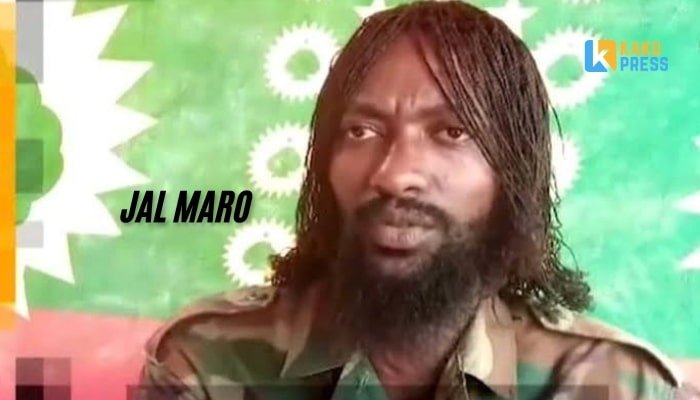
The OLA, led by Jaal Marroo, has grown significantly. By 2023, estimates put its fighters at around 3,000. It operates mainly in western and southern Oromia.
The Human Rights Crisis in Oromia
Whatever your view of the OLF or OLA, one thing is clear: Oromia is in a humanitarian crisis.
The OLF has repeatedly issued statements calling on the world to pay attention. Here is what has been reported:
- Thousands of Oromo civilians have been killed in military operations
- Mass arrests of OLF members, supporters, and ordinary Oromo have been documented
- Entire communities in western Oromia have been displaced
- Human rights groups have called on Ethiopia to investigate abuses
In October 2025, the OLF issued a press release titled “Stop the Mass Killing of the Oromo People and the Destruction of Their Homes and Property.” The statement called out what it described as ongoing violence by Ethiopian government forces.
The OLF has also called on the United Nations and other international bodies to intervene and protect civilians.
2025: What Is the OLF Doing Now?
Push for a Transitional Government
In February 2025, the OLF and the Oromo Federalist Congress (OFC) held a joint four-day conference in Addis Ababa. They announced a plan to push for a transitional government in Oromia.
Their stated goals were:
- Ensure democratic governance and self-determination
- Expand public services for ordinary people
- Keep that in place until a permanent government is set up through a free vote
- Integrate the OLA into a formal security structure
This is a big move. It shows the OLF is still active and pushing for real political change — not just making statements.
Environmental Work
In April 2026, the OLF published an “Environmental Stewardship Initiatives” release — showing it is also trying to address long-term issues like land and nature in Oromia. This is a new direction for the group.
Why Does the International Community Care?
The Oromo make up about 35–40% of Ethiopia’s population — Ethiopia’s largest ethnic group. Ethiopia itself is Africa’s second most populated country.
What happens in Oromia affects:
- Regional stability in the Horn of Africa
- Millions of people who depend on Oromia’s land and farms
- Ethiopia’s fragile peace process
- Aid and development programs
The OLF has ties to diaspora communities in the USA, Europe, and Australia. Oromo people around the world follow its work closely.
Common Criticisms and Debates Around the OLF
We want to give you a full picture. Not everyone agrees with the OLF. Here are some common debates:
Criticism 1: Lack of Internal Unity The OLF has split multiple times. Its relationship with the OLA is unclear. Critics say it speaks for the Oromo people but struggles to act as one organization.
Criticism 2: Violence Linked to OLA Because of the OLA’s armed campaign, some Ethiopians associate the OLF brand with violence — even though the political OLF says it seeks peaceful change.
Criticism 3: Operating Mostly in Exile For years, the OLF leadership was based abroad. Critics argue this made it out of touch with everyday Oromo life and needs.
Response from OLF Supporters: Supporters say the OLF had no choice but to operate in exile — because it was banned and its leaders jailed or killed. They argue the real root of violence is state oppression, not the OLF.
FAQs About ABO / OLF
Q: What does ABO mean in English? ABO stands for Adda Bilisummaa Oromoo, which means Oromo Liberation Front in English.
Q: Is the OLF a terrorist group? The OLF political organization is not listed as a terrorist group internationally. However, Ethiopia has designated the OLA (armed wing) as a terrorist organization. The two are separate bodies.
Q: Where is the OLF based? The OLF has offices in Washington D.C., USA. It also operates inside Ethiopia as a registered political party.
Q: What is the difference between OLF and OLA? The OLF is the political party. The OLA (also called WBO) is the armed group that broke away in 2019. They share historical roots but are now separate organizations.
Q: Does the OLF want to break Ethiopia apart? Not necessarily. The OLF says the Oromo people should decide for themselves — through a free vote — whether to stay in Ethiopia, form their own state, or join a union on equal terms. It does not say secession is the only path.
Q: How many Oromo people are there? The Oromo are the largest ethnic group in Ethiopia. Estimates range from 40 to 50 million people, making them one of the largest groups in all of Africa.
Q: What is Afaan Oromoo? Afaan Oromoo is the Oromo language. It is spoken by over 40 million people and is the official language of Oromia Regional State in Ethiopia.
Q: Is the OLF still active? Yes. As of 2025 and 2026, the OLF continues to issue press releases, hold conferences, and push for political change in Oromia.
Q: What happened to the OLF after Abiy Ahmed came to power? The OLF returned from exile in 2018 and tried to work within Ethiopian politics. But peace talks with the government broke down, and the armed OLA wing continued fighting. The political OLF still operates legally inside Ethiopia.
Q: What is the Oromo Liberation Army (OLA)? The OLA, or Waraana Bilisummaa Oromoo (WBO), is an armed group that broke away from the OLF in 2019. It operates mainly in western and southern Oromia and is led by Jaal Marroo. Ethiopia considers it a terrorist group.
Final Thoughts
The ABO / OLF story is not simple. It is a story of a large people — over 40 million strong — who spent more than a century fighting for the right to speak their language, own their land, and shape their own future.
The OLF has had many setbacks. Splits, bans, exile, and an ongoing armed conflict linked to its former wing have made progress hard. But it is still here, still active, and still demanding that the Oromo people have a real say in their own destiny.
Whether you are a student, a researcher, a journalist, or just curious — understanding the ABO / OLF means understanding one of Africa’s biggest and most complex political stories.