
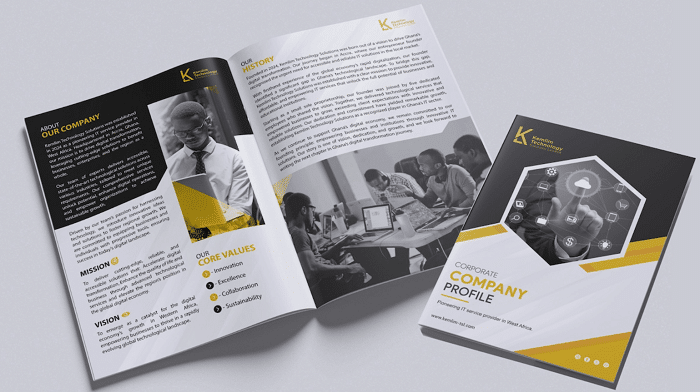
Creating a well-crafted company profile on Wikipedia requires attention to style, sourcing, and community norms.
Contributors who approach the process with the platform’s standards in mind increase the likelihood that the profile will remain live and useful. A strong page does more than summarize products or history; it documents a company’s verifiable impact, milestones, and reception through independent sources.
Before you begin drafting, understand that Wikipedia is an encyclopedia, not a marketing platform. That distinction shapes every choice you make from the first sentence to the reference list.
Why a neutral encyclopedic presence matters?
A Wikipedia entry can be one of the first results users encounter when searching for a company. It should offer a balanced, third‑party account rather than promotional material. Because editors, journalists, and potential customers consult Wikipedia, a neutral profile preserves credibility and reduces the risk of disputes and deletions. Companies should view the profile as a long-term public record that will likely be edited by others. When the article is written with neutrality and independent verification, it becomes a durable asset that communicates legitimacy without overt advertising.
Assess notability and gather reliable sources
Notability is the threshold Wikipedia uses to decide whether a subject merits its own article. For companies, notability is established through significant coverage in reliable, independent sources such as major newspapers, industry journals, or academic studies. Press releases, promotional blogs, and social media posts do not count as independent coverage. Before attempting to create or expand a profile, compile a body of third‑party sources that provide in-depth reporting on the company’s operations, innovations, controversies, or influence. Collecting obituaries, investigative pieces, award announcements, and regulatory filings, when available, helps demonstrate lasting relevance rather than transient publicity.
Writing neutral, verifiable content
When you begin writing, adopt Wikipedia’s neutral point of view. Describe achievements and milestones factually and attribute praise to specific sources rather than presenting it as objective fact. Avoid superlatives and sales language. Instead of claiming the company “revolutionized an industry,” summarize the coverage: who made that claim and in what context. Each significant statement should be tied to a reliable citation so other editors can verify it. Inline citations after sentences or paragraphs anchor assertions to sources and reduce the chance of removal. Use clear, concise prose and prioritize verifiability over persuasion.
Structure, infoboxes, and references
A well-structured page helps readers navigate information quickly. Begin with a concise lead paragraph that encapsulates who the company is, when it was founded, and why it matters, supported by references. Follow with sections such as History, Products or Services, Corporate Structure, Reception or Controversies, and Philanthropy if relevant. Adding an infobox with key facts—headquarters, founding date, key people, revenue figures when publicly available—provides a snapshot for readers. When adding financial figures or claims about market position, cite annual reports or reputable financial news outlets. Use proper citation formats and include links to archived versions of web sources when possible to prevent link rot.
Avoid promotional language and conflicts of interest
Direct involvement by company employees or PR agents is permitted but requires careful handling. Wikipedia discourages paid advocacy and strongly recommends transparency through user talk pages and conflict of interest disclosures. If you have a close relationship with the company, avoid creating the article directly; instead, suggest improvements on the talk page or work with independent editors. Steer clear of content that reads like a brochure: do not list awards without context, claim customer numbers without independent corroboration, or include marketing taglines. If the company has controversies, cover them neutrally and support claims with reliable sources; omitting negative coverage can lead to challenges and deletions.
Images, logos, and copyright considerations
Images enhance comprehension but must respect copyright rules. Company logos are often copyrighted and their use can be restricted. Wikipedia allows some non-free images under strict conditions, but these require a clear rationale and are reviewed closely. Whenever possible, use freely licensed photos or images created by the company that the copyright holder has released under a compatible license. For photographs of buildings or events, ensure the photographer’s rights are addressed. Include captions that explain what the image shows and cite the source. Proper licensing and attribution reduce the risk that media files are removed after publication.
Engage with the community and maintain the page
Once the profile is live, engagement matters. Monitor changes, respond to questions on the article’s talk page, and provide additional sourced material as it becomes available. Wikipedia evolves, and what’s acceptable one year may be contested the next as standards and community priorities shift. Periodic reviews to add fresh, independent coverage and to update figures keep the article accurate. If disputes arise, use Wikipedia’s dispute resolution mechanisms and rely on community consensus rather than unilateral edits. A cooperative approach fosters a stable entry that benefits readers and the company’s reputation.
Practical first steps to get started
Begin by researching existing coverage, drafting a neutral lead, and preparing citations. Consider creating a draft in your user space where it can be refined before requesting community feedback. If you need to reference internal facts such as founding dates or product details, corroborate them with external documentation when possible. When ready, submit the draft and be prepared to engage constructively with editors who may request changes. Remember that patience and adherence to Wikipedia’s policies are the most effective tools for building a lasting, authoritative presence.
When you plan to establish a prominent online reference, think strategically and ethically. A thoughtfully composed Wikipedia page for your company reflects a commitment to transparency and provides a reliable, encyclopedic summary that serves stakeholders, journalists, and the general public. Approach the process with respect for Wikipedia’s mission and you’ll create content that stands the test of scrutiny.